0
+


Cotton Mansion · Self-Guided Audio Tour Stop #7
Narrated by Mike Schraepfer, Owner
Welcome to the library. This is one of the coolest rooms in the Cotton Mansion. If you’ve ever heard of the style of Dark Academia, with dark, moody tones, this is the real deal.
Joseph Cotton was a lawyer. At the turn of the century, knowledge was power. There was no internet. There was no radio. A library was a symbol of knowledge and power. Many people had a home office. Joseph Cotton didn’t have just a home office; he had a home library. You could imagine it’s also really handy for a lawyer to have all these volumes of books at his disposal.
This library is encased in Flemish black oak. It has an imposing Nero Marchena marble fireplace that is imported from Italy as well. The original sage-green silk tapestries adorn the walls, along with the blue detail in the roofline and the exquisite plastered ceiling.
Cotton’s rise was tied to the rise of northern Minnesota mining and industry in the late 1800s and early 1900s. The Iron Range was discovered by the seven Merritt brothers, a local family that are called the Ironmen, and they lived in Duluth from its very infancy and discovered the Vermilion Range between Ely and Tower.
Mr. Cotton represented the Merritt brothers in several affairs through the 1880s and early 1890s. The brothers were of meager means, hardscrabble, and they bet the farm building the Duluth Mesabi Railroad to bring the first railcars of iron ore down from the Vermilion Range to Lake Superior.
The Panic of 1893 hit the Merritt brothers really hard. Rockefeller entered the picture by buying up the Merritt brothers’ debt and then foreclosing when they couldn’t afford to pay.
In 1895, there was a landmark case where Rockefeller took control of the Merritt brothers’ mine between Ely and Tower, which at that time was one of the largest iron mines in the world. Rockefeller indeed took control, and Cotton represented him. That’s right. Cotton switched sides, and he represented the Merritt brothers for many years until 1895, and then he went to represent Rockefeller, opposing them.
Cotton would continue to represent Rockefeller for another 40 years, and the family would eventually move to New York in 1916.
Rockefeller is more commonly known for oil than iron mining. Iron mining wasn’t really his industry, and he was in competition with Andrew Carnegie. Though by gaining control of the iron supply, Rockefeller could squeeze profit from his archrival Carnegie. In true robber-baron fashion, he bought up the Merritt brothers’ debt, took advantage of the panic, and foreclosed to take control of the iron mines and thwart Carnegie.
Carnegie had recently purchased the adjacent large portion of the Iron Range from Henry Oliver, the Oliver Mine. Henry Oliver was represented by another locally famous lawyer, Chester Congdon, owner of Glensheen.
Both Congdon and Cotton came to wealth and fame through their work as lawyers to the nation’s most powerful, and they greatly benefited from their inside tracks to invest in mining opportunities themselves, subsequent to the opening of the iron mines.
In 1902, J.P. Morgan would set his sights on the growing iron industry as a consolidation opportunity. U.S. Steel would become the largest company in the world in 1902, with J.P. Morgan’s consolidation of Henry Oliver, Andrew Carnegie, and Johnny Rockefeller’s mines that became the U.S. Steel mills.
Morgan is the namesake of Morgan Park in West Duluth, originally a company town next to the U.S. Steel foundry where the original railroads came down from the mines.
In addition to the dining room furniture, another original, unique piece we have today is Mr. Cotton’s original desk, built and stained in black oak to match the room. It was designed by none other than John Bradstreet.
Just as it was popular to have a home designed by a prominent architect, so was the interior design at the turn of the century. New York had Tiffany and Stickley. Minneapolis had John Bradstreet. Bradstreet designed furniture and interiors for many prominent Midwest homes at the turn of the century and was quite busy in Duluth’s new mansion district.
The third-floor children’s rooms and the breakfast room at Glensheen Mansion were designed 100% by John Bradstreet and are noted as some of the best intact examples of his interior design. If you’ve seen the Bradstreet Room at the Minneapolis Art Institute, it was pulled and recreated piece by piece from the Prindle Mansion, just two blocks down from where we are right now.
Flash forward. In 1996, Cotton Mansion was at its lowest point. The family who owned it as an apartment building fell on hard times. They had an estate sale and sold many of the first-floor original furnishings. This desk was actually sold in an auction, I heard from a neighbor when we first took ownership.
The desk was left behind, however, because it was so dang heavy four people couldn’t get it out of the house. Luckily for us, we still have it.
Above the desk is a portrait of Selina Louise Cotton. It’s an original painting. It was painted around 1920 in New York by a portrait artist of some merit in New York City.
They moved to New York in 1916 following the work with Rockefeller, and from then on this home was their summer home from 1916 to 1940. But in 1908, when they moved in, Mrs. Cotton was 28 years old, and it was largely a starter home. She had a four- and seven-year-old and a son yet to be born that would be born here.
Mrs. Cotton lived to old age and lived till 1972, spending most of her life in the Upper East Side at 1000 Park Avenue. The Cottons maintained a staff employed by Mrs. Cotton’s mother, who also lived in Duluth and stayed in Duluth as the house manager.
The Cottons summered here from 1916 to 1940. In 1940, when Mr. Cotton passed away, Mrs. Cotton sold the home to George and Alice Tweed, who then turned around and donated it to the university as the new art conservatory in 1940.
Selina Louise Cotton’s granddaughter stopped by to visit a few years ago. Shortly after her visit, she mailed us this portrait. She felt like it was fitting in the home, and we thought so as well, so we put it up in the library.
To continue the tour, please head back to the foyer and through the front entryway, out onto the front terrace. You’ll find the QR code for the terrace audio guide on the right side of the front entryway.
At the Boutique Collection By Heirloom, we believe every traveler deserves a place that feels like it was made for them. Our collection of historic properties across Duluth offers something special for every kind of guest, from romantic suites with fireplaces to spacious accommodations perfect for group getaways. Thoughtfully restored and full of character, each hotel blends timeless charm with modern comforts, ensuring your stay is both memorable and relaxing. No matter where your travels take you, there is a Heirloom Hotel waiting to welcome you.




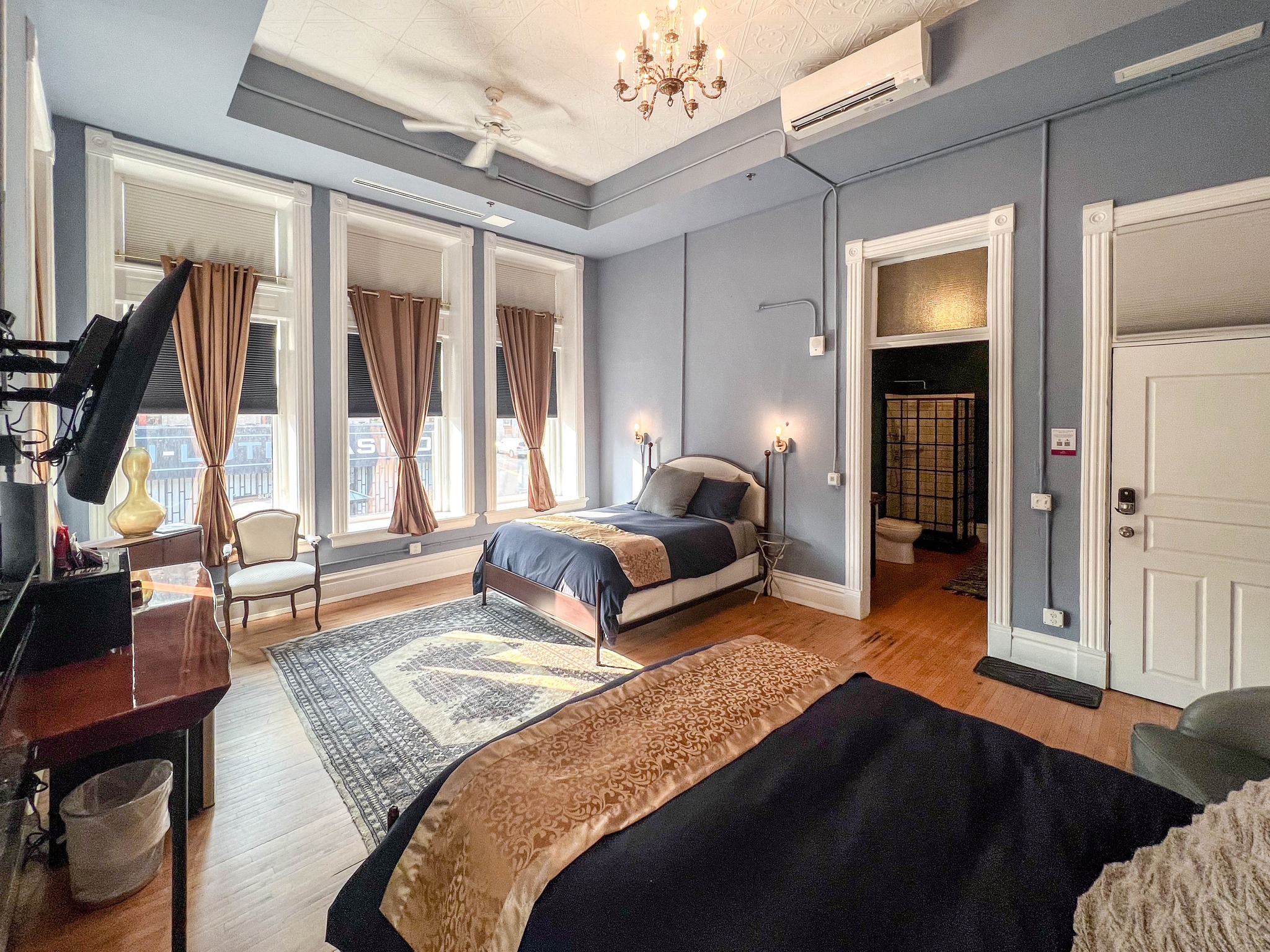
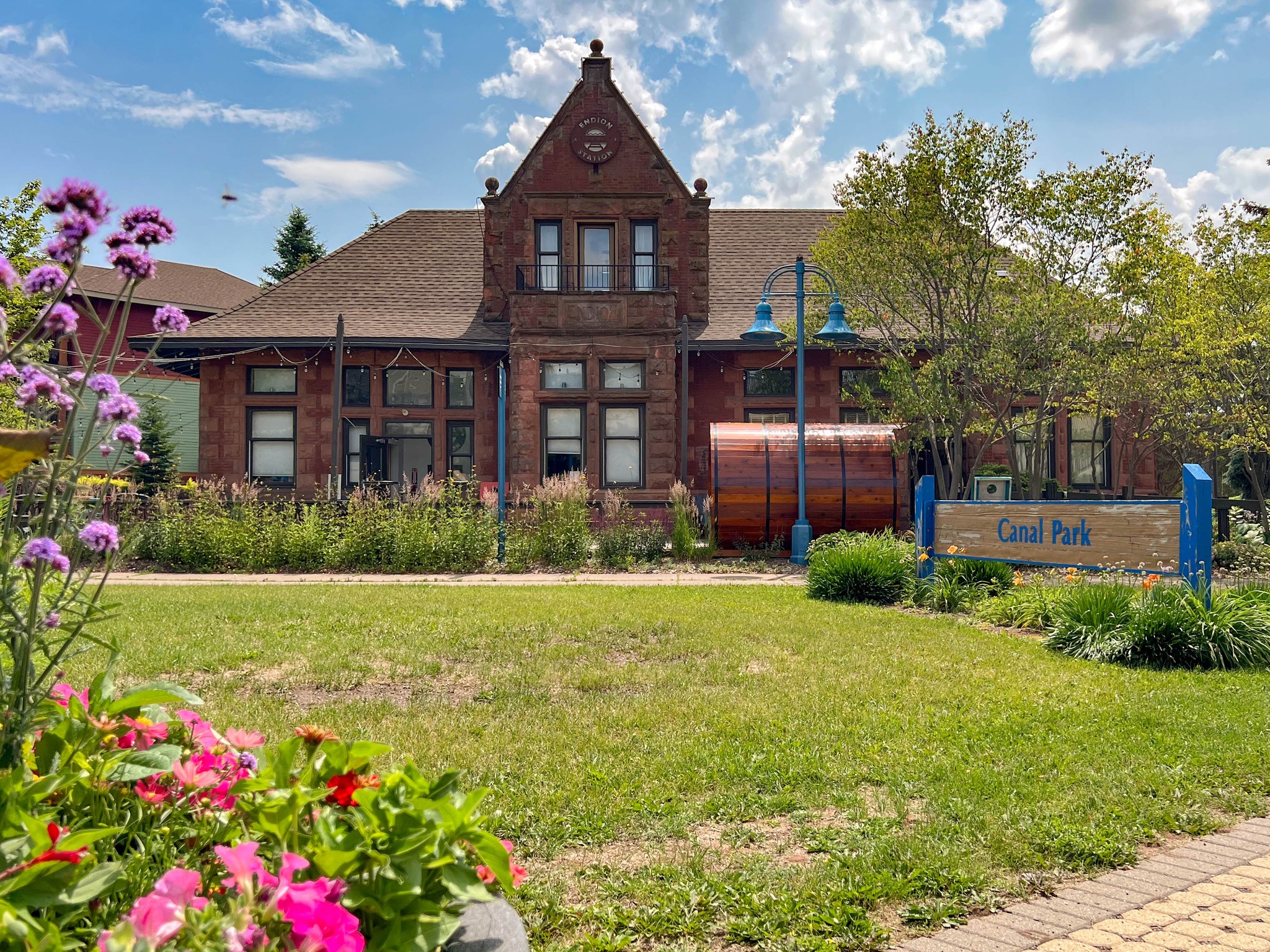
Rooted in history and designed for today’s traveler, the Boutique Collection by Heirloom offers a collection of unique, boutique stays across Duluth. Each property has been carefully restored to preserve its original character while offering the modern comforts guests expect. Whether you’re visiting for a romantic getaway, a family trip, or a special event, Our stays provide spaces that feel personal, inviting, and unforgettable. With twelve distinctive hotels to choose from, your perfect Duluth experience begins here.
Book direct and get our best available rate—guaranteed. Find a lower publicly available rate for the same stay, and we’ll match it.